

News

Elders, memory, language, hunger, burning, flowering, flight … these are the different cycles around the life of a seed featured in Luisa Mitchell’s collection of poems, Song of the Shadow of a Seed. In this interview, Luisa speaks about writing toward healing, connection and truth-telling, the importance of truth-listening, and the hope that readers might […]
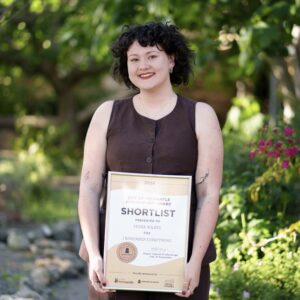
Shortlisted for the 2024 Hungerford Award, I Remember Everything is Fiona Wilkes’s debut novel. Crossing timelines, from Bristol in the 1980s to 2020 London, I Remember Everything takes a poignant look at first love, chosen family and coming out, just as the devastation of the AIDS epidemic looms. In this interview, Fiona reflects on the […]

Immerse yourself in First Nations art and interactive cultural experiences at Raine Square. To celebrate National Reconciliation Week and NAIDOC Week, Raine Square is presenting Maar Koodjal, a seven-week program featuring immersive First Nations art and interactive cultural experiences, including live music, dance, visual performances, storytelling, art exhibitions, fashion showcases and radio broadcasts. Noongar Boodja […]
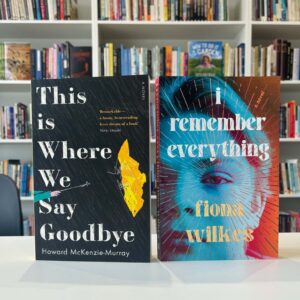
Join Fiona Wilkes, author of I Remember Everything, and Howard McKenzie-Murray, author of This is Where We Say Goodbye, for this special in-conversation event. Fiona and Howard will chat about their new books, their writing and research process, and their shared experience of being shortlisted for the prestigious 2024 Hungerford Award. This unmissable talk takes […]
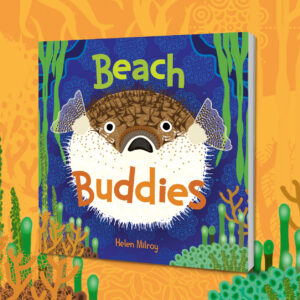
Join popular Palyku author Helen Milroy as she explores and celebrates the creatures you can see at the beach. From pretty starfish to puffed-up blowfish, this fun and educational early reader picture book is filled with brightly illustrated beach buddies. In this new activity sheet, your young reader can colour in each buddy and write […]
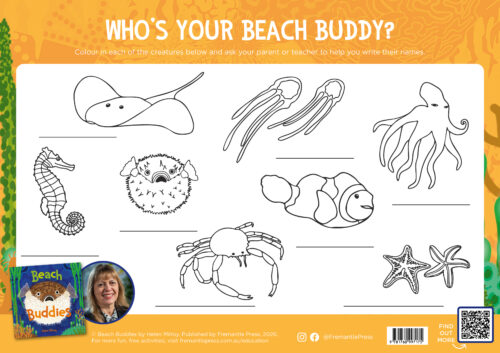
Activity Sheet
'Who's your beach buddy?'Download activity sheet
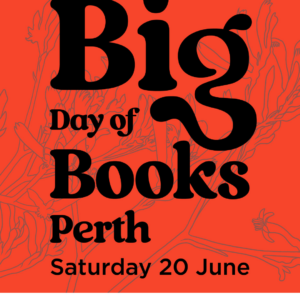
The Big Day of Books is back! Join us on Saturday 20 June for a lively day of conversations, fresh ideas and unforgettable stories as some of Australia’s most exciting writers come together for a festival made just for readers. From celebrated voices to emerging talent, this year’s program explores themes of love, identity, history, […]
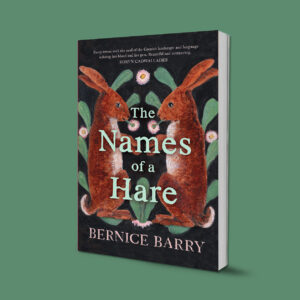
The City of Perth Library’s Not a Book Club is an author in-conversation series for readers who love stories, ideas and conversation—without the homework. Low commitment. High reward. Totally not a Book Club… On Wednesday 1 July, Will Yeoman will be in conversation with Bernice Barry about her latest historical novel, The Names of a […]
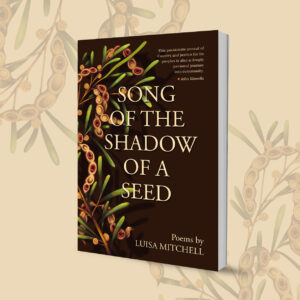
Join Luisa Mitchell for the launch of her inventive, moving and accessible debut poetry collection, Song of the Shadow of a Seed. Mitchell’s work includes conversations-in-poetry with family members that weave connection and shared history into every line. They are a call to listen, to learn and to engage with the lived truths of Whadjuk […]
Celebrate NAIDOC Week 2026 and the release of Beach Buddies with a special storytime with children’s author and illustrator Helen Milroy. Young listeners will enjoy a lively reading that introduces Australian beach creatures through colourful illustrations and gentle rhymes. This event forms part of the City of Nedlands 2026 NAIDOC Week celebrations. Perfect for young […]
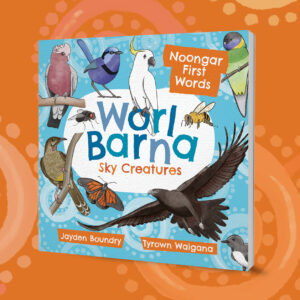
Get to know our worl barna in this free teaching activity sheet! Worl Barna is the third book in a collection of board books by Jayden Boundry and Tyrown Waigana, all about our majestic, native sky creatures. Perfect for little readers, this activity invites them to colour in some winged friends, learn their names in […]
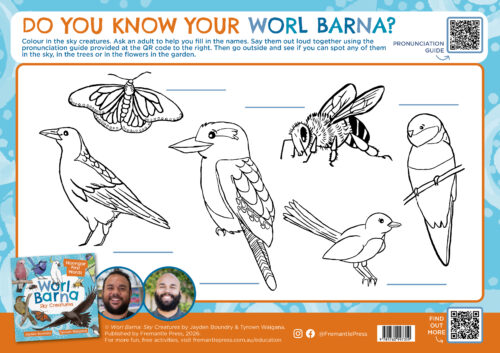
Activity Sheet
'Do you know your worl barna?'Download activity sheet
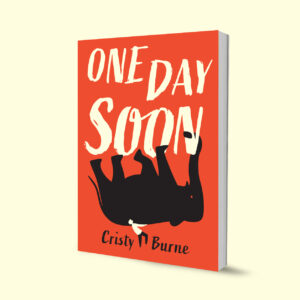
One Day Soon is a new verse novel by Cristy Burne, a powerful and moving insight into a boy’s emotional journey through the diagnosis and loss of an uncle to motor neurone disease, compounded by his father and family’s own 50% risk of inheriting the causative gene. Alex learns to appreciate the smaller, special moments […]
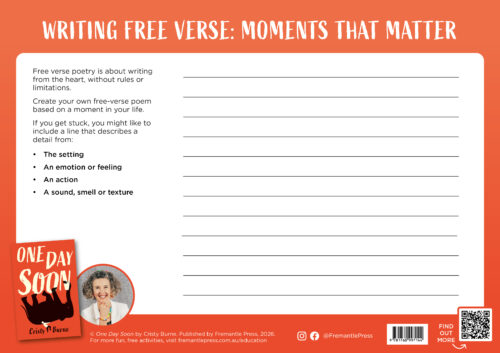
Activity Sheet
'Practise writing in free verse'Download activity sheet
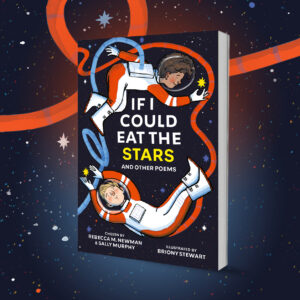
This creative literacy activity doubles as an art project! Inspired by interactive poems in the poetry collection for children, If I Could Eat the Stars, this activity sheet invites students to play with words, build descriptive vocabulary and turn their writing into a poem shaped like an animal. Download the activity sheet and let students […]
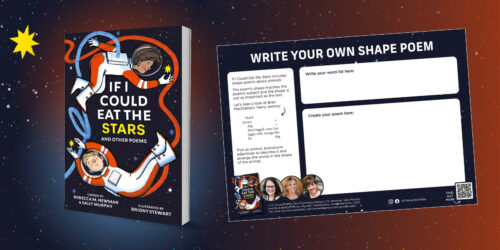
Activity Sheet
'Write your own shape poem'Download activity sheet
Fremantle Press has learned today that Craig Silvey has pled guilty to possessing and distributing child exploitation material. This is devastating news for the entire community in light of the trust vested in him by readers, schools, bookstores, libraries and colleagues. Fremantle Press ceased to promote Craig Silvey’s work at the time the charges were […]
Fans of fandom, rejoice! Celebrating 50 years of fandom in WA, Swancon – Perth’s premier convention for lovers of science fiction, fantasy, horror, speculative fiction, board gaming, video gaming, art, cosplay, anime and geek culture – is on again from 29 May–1 June 2026 at The Pagoda in South Perth, You can catch Fremantle Press […]
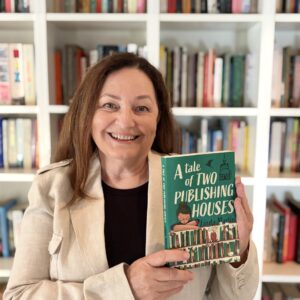
Linda Martin, author of A Tale of Two Publishing Houses, will be hosting a talk at Bay View Community Centre in Claremont on the afternoon of Wednesday 20 May. Linda is a writer, editor, publisher and co-founder of Night Parrot Press. She teaches publishing and editing at Edith Cowan University, where she completed her PhD. […]
Children’s author and poet Renae Hayward is heading north for a series of exciting events at Karratha, Wickham and Dampier Libraries. Renae will be presenting lively book readings, interactive sing-alongs, craft activities, writing workshops for both children and adults, and more! Tuesday 5 May: After School Family Session for ages 4 to 8, Karratha Library […]
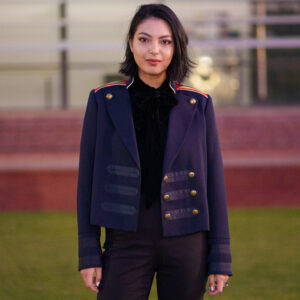
If you’re new to the craft of writing, want to learn something different or looking to brush up on some skills, the Walyalup Fremantle Arts Centre has you covered! Between 30 April and 25 June, authors Brooke Dunnell and Prema Arasu are each hosting a series of writing workshops. Courses with Brooke Dunnell Short Stories: […]
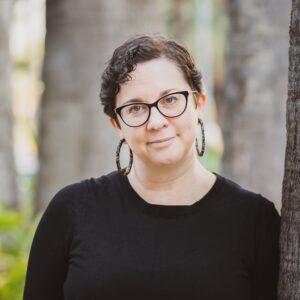
Join Kate Larsen, author of Public. Open. Space., for a special book club conversation as part of Melbourne Writers Festival on Sunday 10 May. Along with Booker Prize-longlisted Canadian–Ukrainian novelist Maria Reva (Endling) and hosted by Madison Griffiths (Sweet Nothings), Kate will be discussing Victoria Amelina’s (Looking at Women, Looking at War) work and legacy […]
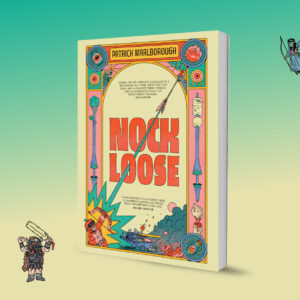
Celebrate the new edition of Nock Loose by Patrick Marlborough! On Tuesday 12 May, Patrick will be in conversation with Emmett Stinson at Lawson Flats in Perth. If you’ve been meaning to read Nock Loose, now is the perfect time. Like nothing else in OzLit, Nock Loose is described as Game of Thrones meets Wake […]
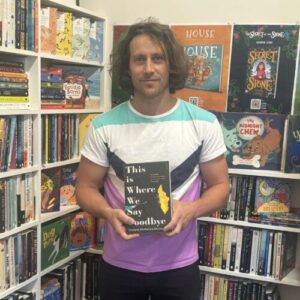
Howard McKenzie-Murray’s debut novel This Is Where We Say Goodbye is a quirky, bittersweet story full of vivid characters and energy as twenty-one-year-old protagonist Maud reels in the aftermath of loss. In this interview, Howard speaks about how his background as a playwright shaped his fiction, what writing the novel taught him, and how real […]
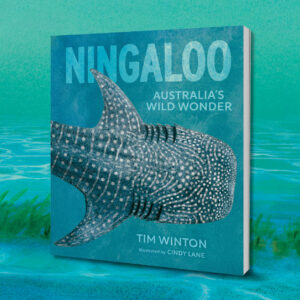
Ningaloo: Australia’s Wild Wonder by Tim Winton with Cindy Lane has been shortlisted for an Australian Book Industry Award and an Australian Booksellers Association Award in as many days. The ABA Book of the Year Awards are for titles which have captured the hearts of Australian booksellers – those titles they most like recommending. The ABIAs are presented by […]
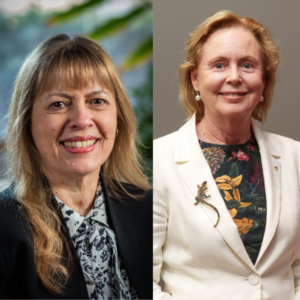
Fremantle Press farewelled patron Barry McGuire and welcomed two new patrons at its 50-year anniversary celebration on Friday 24 April. Helen Milroy is the Patron of Readers while Annie Fogarty takes on the role of Patron of Writers. Fremantle Press Chair Clair Medhurst said she had enjoyed working with Barry since 2022. Clair said, ‘Barry […]

Fremantle Press is celebrating 50 years of independent publishing with a brand-new home and a place on the Australian Book Industry Awards shortlist. The ABIA Small Publisher of the Year Award recognises publishers whose program demonstrates excellence, thereby contributing to the overall success of the industry. Fremantle Press CEO Alex Allan said the shortlisting was […]
- 1
- 2
- 3
- …
- 64
- Next Page »